Horror Vault

CONNECT WITH US

CALL US TODAY

Inside the Vault Lies Everything Horror — Films, Reviews, Merch, Collectibles.

Dive into the chilling world of horror — reviews, collectibles, and all things macabre.

Retro

Generation Dread: How the Filmmakers of the Gen X Era Rewrote the Rules of Horror
While Generation X was growing up on a diet of latchkey independence and shifting social norms, the horror genre was undergoing an aggressive, visceral evolution.
 
Between 1965 and 1980, filmmakers shed the campy monsters of early cinema to mirror the real-world anxieties of a turbulent era—Vietnam, Watergate, economic decay, and the collapse of the traditional nuclear family.
 
The films birthed during these fifteen years didn’t just scare audiences; they fundamentally re-architected modern cinema. From surreal Euro-horror to the birth of the summer blockbuster, here are the top ten horror masterpieces born during the Gen X era, ranked by their enduring cultural legacy.
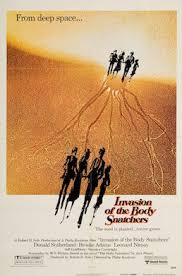
10. Invasion of the Body Snatchers (1978)
 
While the 1956 original reflected Red Scare paranoia, director Philip Kaufman’s 1978 masterpiece perfectly captures the cynical, post-Watergate disillusionment of the late 1970s. Set in a cold, sterile San Francisco, the film follows a group of friends who realize their loved ones are being replaced by emotionless alien duplicates. Driven by an incredibly unnerving sound design and a bleak, iconic ending, it stands as one of the greatest sci-fi horror remakes ever made.
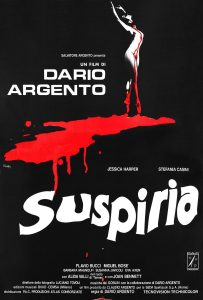
9. Suspiria (1977)
 
Dario Argento’s Italian masterpiece is a sensory assault that feels like a technicolor nightmare. Following an American ballet student who uncovers a murderous coven of witches at a prestigious German academy, Suspiria abandons conventional logic in favor of pure mood. Bathed in vibrant primary colors and propelled by the hypnotic, screaming progressive-rock score by Goblin, it remains the pinnacle of Euro-horror aesthetics.
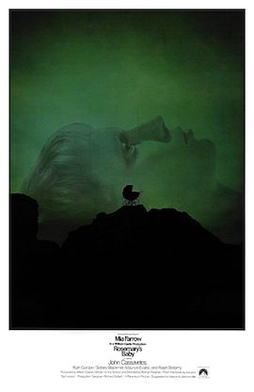
8. Rosemary’s Baby (1968)
 
Horror brought its terrors directly into modern apartment buildings with Roman Polanski’s psychological slow-burn. Mia Farrow delivers a fragile, haunting performance as a young wife who suspects her eccentric neighbors—and her ambitious husband—have sinister, satanic designs on her unborn child. Rosemary’s Baby weaponized the fear of gaslighting and bodily autonomy, proving that the ultimate evil could be living right next door.
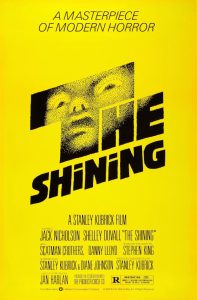
7. The Shining (1980)
 
Stanley Kubrick closed out this golden era of horror by taking a family to a snowbound, isolated resort and tracking their descent into madness. While Stephen King famously disliked the adaptation, Kubrick’s meticulous framing, pioneering use of the Steadicam, and Jack Nicholson’s unhinged performance turned the Overlook Hotel into a labyrinth of ancestral guilt and psychological dread that critics are still decoding today.
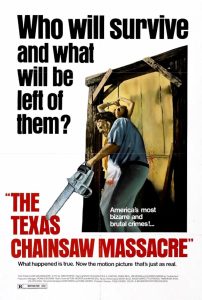
6. The Texas Chainsaw Massacre (1974)
 
Tobe Hooper’s unrelenting nightmare trades on raw, gritty implication. Shot on a shoestring budget in the blistering Texas heat, the film follows a group of teenagers who stumble onto a dysfunctional, murderous family of slaughterhouse workers. Despite its reputation, the film features remarkably little onscreen blood; instead, its documentary-style realism and chaotic audio design create a dizzying, claustrophobic atmosphere of pure terror.
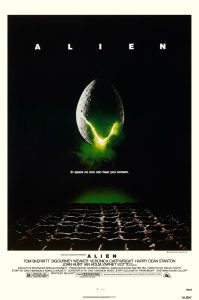
5. Alien (1979)
 
Ridley Scott seamlessly blended the haunted-house formula with gritty, blue-collar science fiction. Trapping a commercial space crew aboard the Nostromo with a perfect, acid-blooded apex predator, Alien subverted gender tropes with Sigourney Weaver’s iconic Ellen Ripley. Bolstered by H.R. Giger’s biomechanical creature design, the film made the vastness of deep space feel terrifyingly intimate.
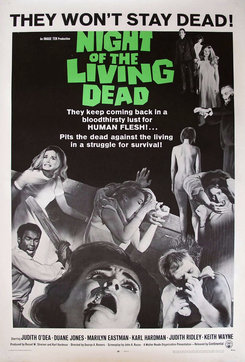
4. Night of the Living Dead (1968)
 
George A. Romero effectively birthed the modern zombie archetype in a grainy, black-and-white indie feature shot in rural Pennsylvania. By trapping a fractured group of survivors in a farmhouse, Romero injected raw social commentary into survival horror. Mirroring the nightly news footage of the Vietnam War and featuring a radical, tragic performance by Duane Jones as horror’s first Black protagonist, it broke every rule in the book.
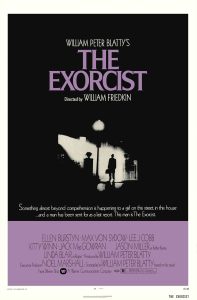
3. The Exorcist (1973)
 
William Friedkin’s cultural phenomenon treated the supernatural with a gritty, documentary-like gravity that shocked audiences worldwide. The story of a young girl’s demonic possession and the harrowing battle of faith to save her became a box-office juggernaut. It remains a masterclass in visceral terror, tackling deep-seated anxieties about religion, medicine, and the fracturing of the American family.

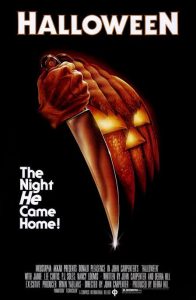
2. Halloween (1978)

John Carpenter didn’t just invent the modern slasher blueprint; he perfected it on his first try. Utilizing brilliant widescreen compositions, a relentless minimalist synth score, and Jamie Lee Curtis as the ultimate “final girl,” Halloween brought terror to the pristine safety of American suburbia. In the shape of Michael Myers, Carpenter created an unstoppable, faceless personification of pure, motiveless evil.
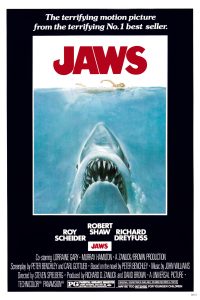
1. Jaws (1975)

Steven Spielberg didn’t just make audiences afraid to go in the water; he fundamentally changed how Hollywood makes movies by inventing the summer blockbuster. When a mechanical shark repeatedly broke down on set, Spielberg was forced to maximize unseen, deep-water dread through Hitchcockian tension and John Williams’ two-note primal score. Jaws is a flawless cinematic engine of suspense, capturing the top spot for its unrivaled pacing, perfect character dynamics, and an enduring cultural legacy that reshaped global pop culture.